Home › Web Development › API Integration

API Integration

Api Advertising
Secure API CONNECTIONS
Web, Mobile & Business SYSTEMS

About Api Integration

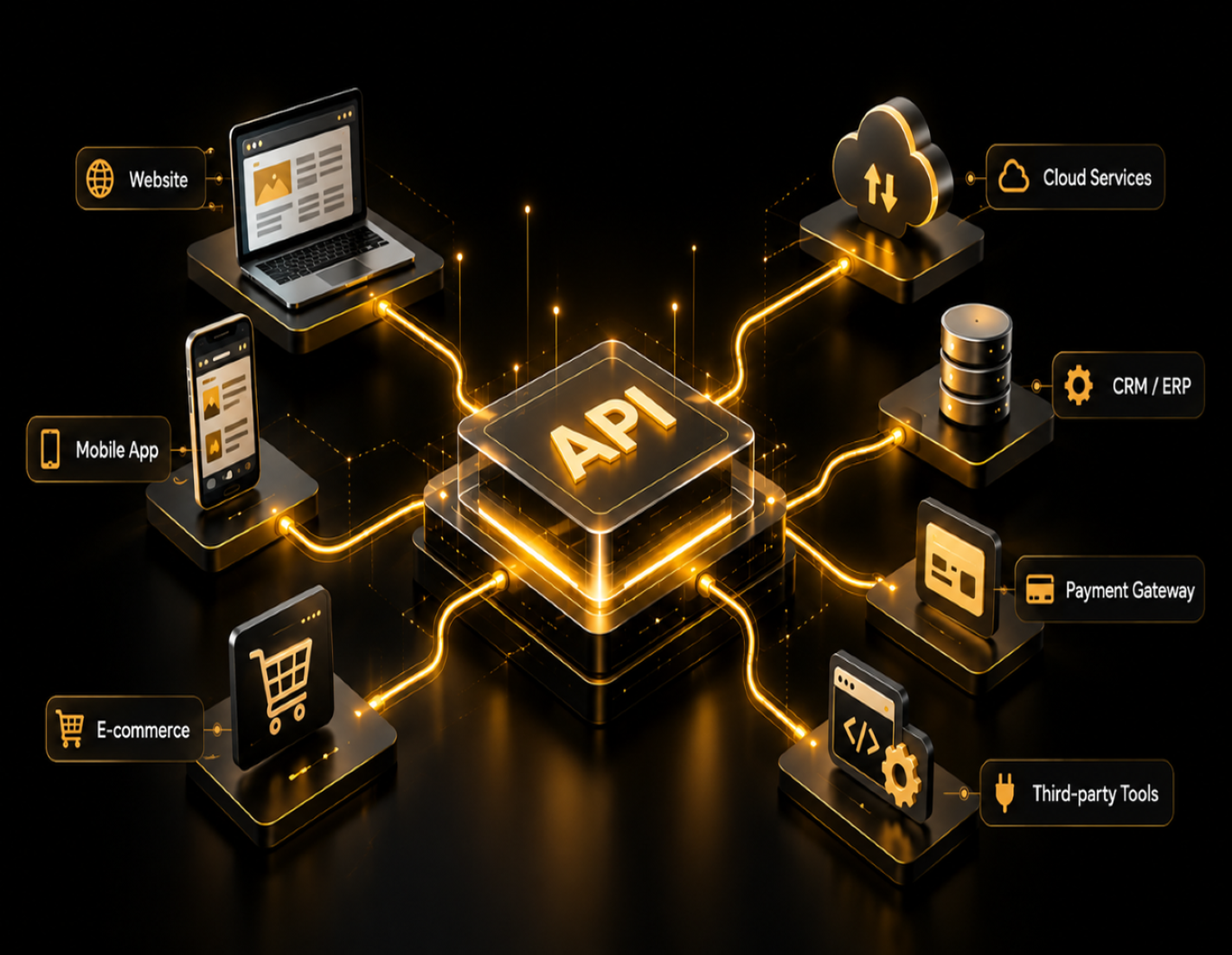
API integration allows different software systems to communicate and exchange data automatically. DeepshiTech helps businesses connect websites, mobile apps, CRM systems, payment platforms, cloud services and third-party software through secure and reliable APIs. Our integrations help automate workflows, reduce manual work, improve data consistency and create connected digital experiences.

Key Insights

INTEGRATION TYPES REST API, GraphQL, Webhooks
AUTHENTICATION API Keys, OAuth 2.0, JWT

API Integration Services

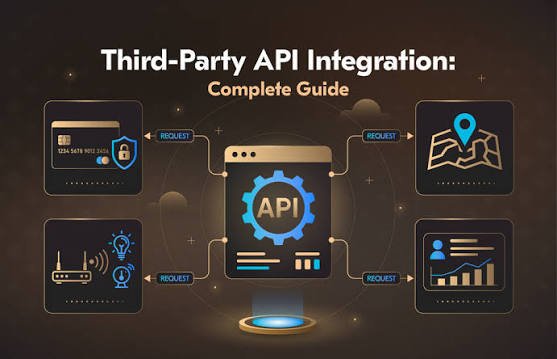
Third-Party API Integration

Third-Party API Integration

Connect your website, mobile application, or business software with third-party platforms and services through secure and reliable API integrations. We help configure authentication, API requests, data mapping, response handling, and error management to ensure smooth communication between your system and external services. ...view more

Payment Gateway Integration

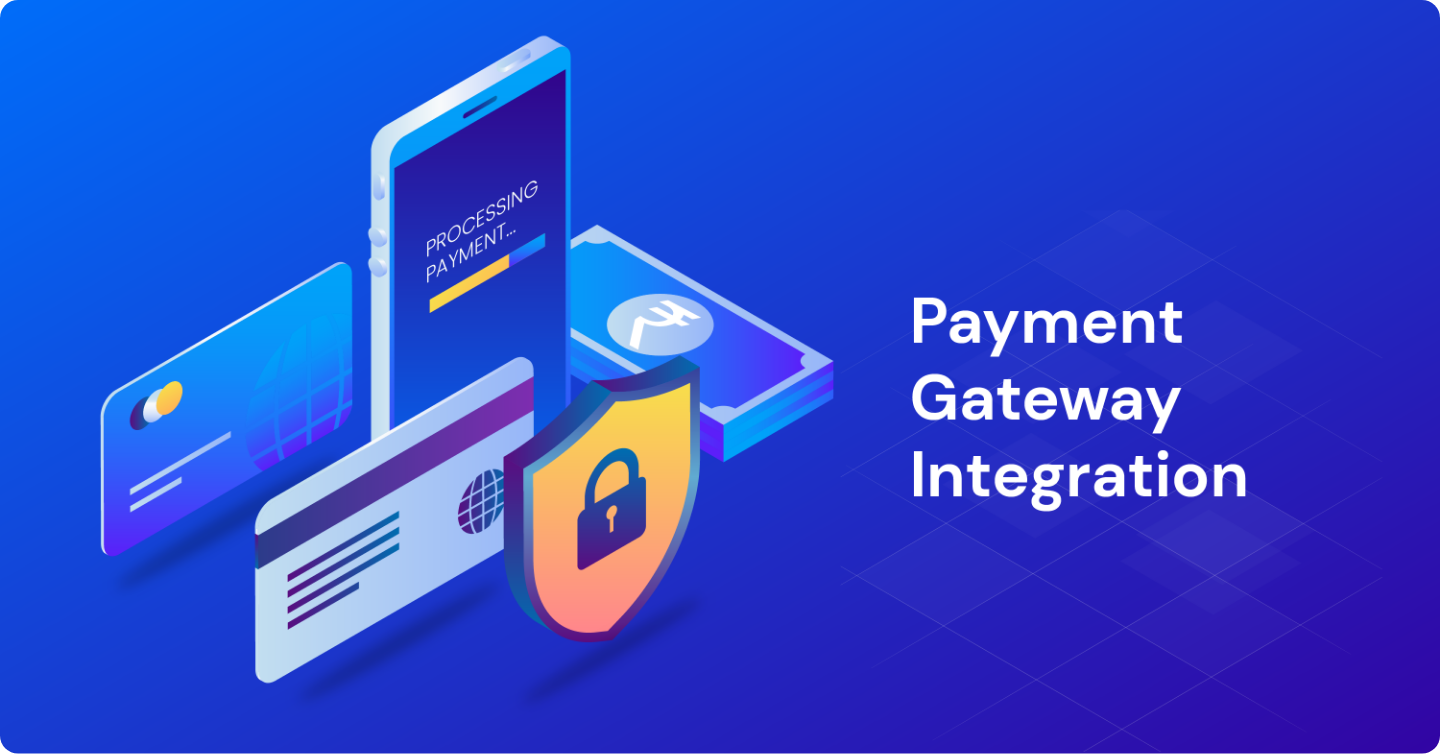
Payment Gateway Integration

Integrate payment gateways into your website or application to create a secure and seamless payment experience. The integration can support payment processing, transaction status updates, payment verification, refunds, webhooks, and automated workflows while maintaining reliable communication between your application and payment provider. ...view more

CRM & ERP Integration

CRM & ERP Integration

Connect your website, application, CRM, or ERP system to keep important business information synchronized across platforms. API-based integration can automate the exchange of customer details, leads, sales information, inventory, orders, and operational data, helping reduce repetitive manual work and improve data consistency. ...view more

Custom API Development

Custom API Development

Build custom APIs designed around your application's specific functionality and business requirements. DeepshiTech can create structured API endpoints that allow websites, mobile applications, internal systems, and partner platforms to securely access and exchange required data while supporting future integrations and application growth. ...view more

Webhook & Real-Time Integration

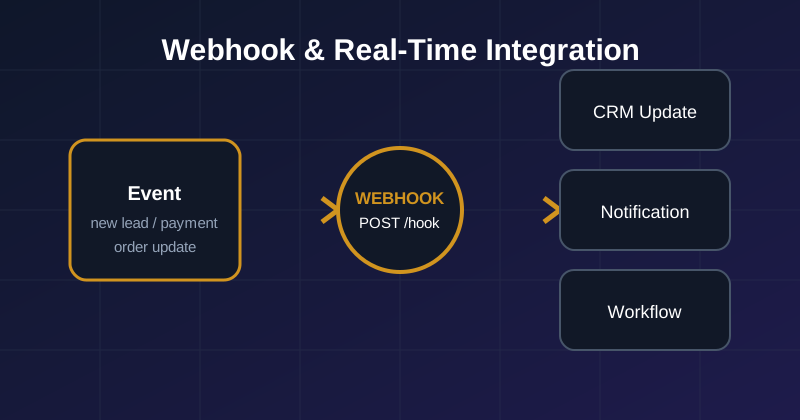
Webhook & Real-Time Integration

Create event-driven integrations that allow applications to automatically communicate when important activities occur. Webhooks can trigger workflows for new leads, successful payments, order updates, form submissions, notifications, account activity, and other system events without requiring continuous manual checks. ...view more

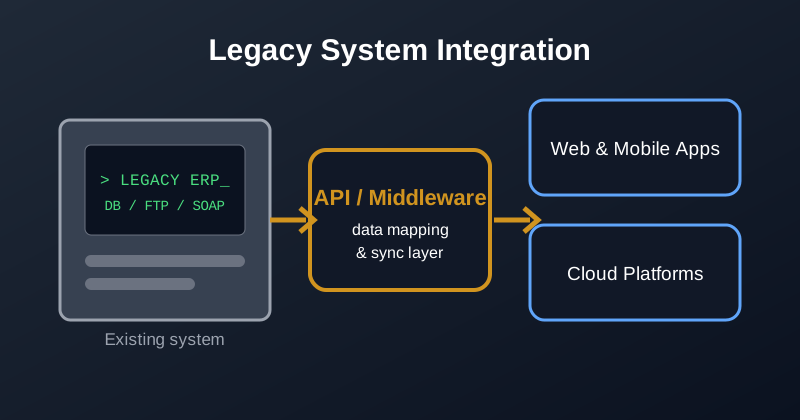
Legacy System Integration

Legacy System Integration

Connect existing or legacy business software with modern websites, applications, cloud platforms, and other digital systems. Depending on the capabilities of the existing system, we can develop APIs, middleware, or custom integration layers that help exchange data and extend existing workflows without requiring an immediate complete system replacement. ...view more

Confused?
We can help

Hire our expert media planners to find, plan and place your next promotion.

LEARN MORE
DeepshiTech Media Planning Help

API Intigration Cost

Integration Scope What's Included Pricing
Basic API Integration Single third-party API, standard authentication, limited endpoints and straightforward data exchange Request Estimate
Business API Integration Multiple endpoints, authentication, data mapping, webhooks and custom workflow logic Request Estimate
Advanced API Integration Multiple systems, complex workflows, custom middleware, real-time synchronization and advanced business logic Custom Quote
Custom API Development Custom API endpoints, authentication, database integration, documentation and application-specific functionality Custom Quote
API Maintenance & Support API updates, troubleshooting, monitoring, compatibility changes and ongoing integration support Contact Us

API Integration Technologies

Modern applications often need to communicate with multiple platforms, databases and third-party services. DeepshiTech develops API integrations using technologies and integration methods selected according to the requirements and architecture of each project.

Our API integration solutions can work with REST APIs, GraphQL, webhooks and JSON-based data exchange. Depending on the platform and security requirements, integrations can use authentication methods such as API keys, OAuth 2.0 and JWT to control access between connected systems.

REST API Integration

REST APIs are widely used to connect websites, mobile applications, business platforms and third-party services. We integrate RESTful APIs to send, receive, update and synchronize data between different applications while maintaining a structured and reliable communication flow.

REST API integrations can be used to connect payment services, CRM platforms, ERP systems, communication tools, cloud services and other software that provides supported API access.

Each integration can be configured according to the required endpoints, authentication method, request format, response structure and business workflow of the application.

GraphQL & Webhook Integration

For applications that require flexible data access or event-driven communication, GraphQL and webhooks can provide efficient ways for different systems to exchange information.

GraphQL allows applications to request specific data according to their requirements, while webhooks allow connected systems to automatically trigger actions when particular events occur.

Webhooks can support workflows such as successful payments, new leads, order updates, form submissions, account activity and automated notifications.

API Authentication & Data Exchange

Secure authentication is an important part of API integration. Depending on the API provider and application requirements, integrations can use API keys, OAuth 2.0, JWT and other token-based authentication methods to control access between connected systems.

Integration logic can also manage data mapping, request and response validation, error handling and data transformation so information can move accurately between applications with different data structures.

Our API Integration Process

Every API integration begins with understanding the systems that need to communicate, the information that needs to move between them and the business workflow the integration should support.

Our process includes requirement discovery, API and endpoint planning, integration development, testing and validation, deployment, and ongoing monitoring and support.

Before deployment, the integration is tested for authentication, request and response handling, data mapping, expected workflows and common error scenarios to help create a stable connection between the systems.

Why Choose DeepshiTech for API Integration?

DeepshiTech approaches API integration according to the existing application architecture, business workflow and technical requirements of each project. Our goal is to create integrations that connect systems effectively while keeping the implementation structured and maintainable.

We focus on secure authentication, accurate data exchange, appropriate error handling and thorough integration testing. Solutions can be designed with future integrations and changing business requirements in mind.

We can also provide ongoing support for troubleshooting, compatibility changes and updates when connected applications or third-party APIs evolve.

API Integration FAQs

Here are some frequently asked questions about our API Integration services.

API integration is the process of connecting two or more software applications so they can communicate, exchange data and trigger actions automatically. It helps websites, mobile apps, CRM systems, payment platforms and other business tools work together without requiring repetitive manual data transfer.

Yes. APIs can often be integrated into an existing website, mobile application or business system without rebuilding the entire platform. We first review the current application architecture, the API documentation and the required workflow to determine the appropriate integration approach.

Yes. We can integrate supported third-party APIs for services such as payments, CRM, ERP, communication, cloud platforms and other business tools. The exact integration depends on the provider's API availability, documentation, authentication requirements, permissions and usage limits.

The development timeline depends on the complexity of the API, number of endpoints, authentication method, data mapping requirements, business logic and testing requirements. A simple integration may require less development effort, while integrations involving multiple systems or complex workflows require additional planning, development and testing.

API integrations can use security measures such as HTTPS/TLS, API keys, OAuth 2.0, JWT or other supported authentication methods. We also consider secure credential handling, data validation, authorization, error handling and appropriate logging when implementing an integration.

Third-party providers may update endpoints, authentication methods, response formats or API versions over time. When these changes affect an existing integration, the integration may need to be updated and tested to remain compatible with the provider's latest API requirements.

Yes. Multiple systems can be connected when the required APIs, permissions and integration methods are available. For example, a website can exchange information with a CRM, payment gateway, ERP, database and communication platform as part of a connected business workflow.

Yes. Ongoing support can include troubleshooting integration issues, updating API configurations, adapting to third-party API changes, resolving compatibility problems and maintaining integration workflows as business requirements evolve.

Modern businesses often use multiple applications for websites, sales, payments, customer management, operations and communication. When these systems work independently, teams may need to transfer information manually, repeat the same tasks across platforms and manage inconsistent data. API integration helps different applications communicate with each other automatically. Information can move between connected systems based on defined workflows, reducing repetitive manual processes and helping teams access more consistent and up-to-date data. API integrations can also support business automation. For example, a new website lead can automatically be sent to a CRM, a successful payment can update an order, or a change in one business system can trigger an update in another connected application. The right integration approach depends on the systems being connected, available APIs, authentication requirements, data structure and the business process that needs to be automated.

Benefits of API Integration

  • Automate repetitive workflows between connected applications and business systems.
  • Reduce manual data entry and unnecessary duplication of work.
  • Keep information synchronized across websites, applications, CRM, ERP and other platforms.
  • Connect existing systems with modern third-party services without replacing the entire application.
  • Improve the flow of information between different teams, platforms and business processes.
  • Build connected digital experiences across web, mobile and business applications.
  • Create a foundation for future automation and additional system integrations.

How DeepshiTech Can Help You

DeepshiTech can help identify the systems that need to be connected, understand the required data flow and plan an integration approach based on your existing application architecture and business requirements.
Our team can work on third-party API integration, payment gateway integration, CRM and ERP connectivity, custom API development, webhooks, real-time workflows and legacy system integration. From initial requirement analysis and development to testing, deployment and ongoing support, we focus on creating structured and maintainable integrations that help your applications communicate effectively.